Key Takeaways
- Generic CVs get tossed within seconds – ATS systems filter out 75% before human eyes even see them.
- Skills sections filled with outdated buzzwords kill your chances faster than typos.
- Over-designed resumes break parsing software, meaning your perfect experience never gets read.
- Cover letters that repeat your CV word-for-word signal you didn't care enough to customize.
- LinkedIn profiles that don't match your CV raise immediate red flags about honesty.

Ready to fix yours? Paste your LinkedIn profile link – build an ATS-optimized CV in 5 minutes with Linked CV Builder.
Look, I've been talking to recruiters for the past few months and honestly? The mistakes people make on their CVs in 2026 are... wild. Not wild in a "oh that's creative" way. More like "did you even try" wild.
Here's the thing that nobody tells you: recruiters spend about 5 seconds on your CV. Five. Seconds. And most of the time, they're not even the first ones looking at it – some algorithm is.
The "One-Size-Fits-All" Disaster
This is the big one. The absolute killer.
People still send the same CV to every job. Same bullet points, same skills list, same everything. And then they wonder why they're getting ghosted.
I get it – rewriting your CV for every single application sounds exhausting. But here's what's actually happening: companies use ATS (Applicant Tracking Systems) that scan for specific keywords from the job posting. If your CV doesn't have them, it goes straight to the digital trash bin. You could be the perfect candidate, doesn't matter.
A recruiter I spoke with last week told me she sees about 200 applications for mid-level roles. The ATS knocks out 150 of them before she even logs in. Those 150 people? Many of them were probably qualified. They just didn't speak the system's language.
The fix isn't complicated, it's just tedious. Match your skills to what they're asking for. Use their exact phrases when you can. If they want "stakeholder management," don't write "client relations" and hope for the best.
Skills Sections That Scream 2019
This one makes me cringe.
I still see CVs listing "Microsoft Office" like it's a selling point. Or "team player" and "detail-oriented" as if those mean anything anymore. Nobody cares that you can use Word. They care if you can use Figma, or Notion, or whatever tool is actually relevant to the job.
Worse – people list skills they don't really have. I mean, we all exaggerate a little, but saying you're "proficient in Python" when you took one online course three years ago? Recruiters can smell that from a mile away, and if you make it to the interview, you're cooked.
Here's what works: list the tools and technologies that are actually in the job description. Be honest about your level (you can say "familiar with" instead of "expert in"). And for the love of everything, remove the soft skills from your skills section – show them in your experience instead.
The Over-Designed Resume That ATS Can't Read
Okay, so you spent six hours making your CV look gorgeous in Canva. Beautiful colors, cool fonts, maybe even some graphics.
The ATS can't read any of it.
I'm serious. Those systems parse text, and when you get fancy with columns, text boxes, headers, footers... it all gets jumbled. Your carefully crafted "Experience" section might get read as gibberish. Your name might not even register properly.
Recruiters are seeing this constantly – stunning CVs that are completely useless because the formatting breaks the system. And since 99% of applications go through an ATS first, your beautiful design just shot you in the foot.
Stick to simple. Black text, standard fonts (Arial, Calibri, nothing fancy), clear section headers. Boring works. Boring gets past the robots and onto actual desks.
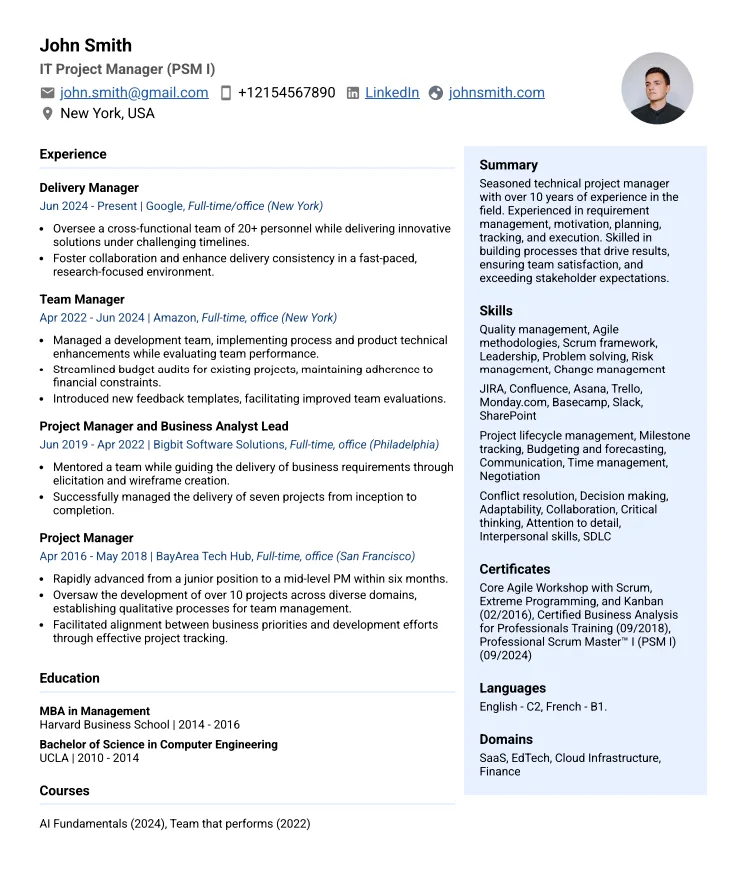
LinkedIn and CV Don't Match
This seems obvious but apparently it's not.
People have different job titles on their CV and LinkedIn. Different dates. Different descriptions. And recruiters check – they always check LinkedIn.
When things don't match up, it looks like you're either lying or incredibly careless. Neither is a good look.
I made this mistake years ago, actually. Had an extra month on one of my job durations on LinkedIn because I rounded up. Recruiter called me out on it during a phone screen. Super awkward. Didn't get the job.
Keep them synced. Same titles, same dates, same companies. If you're updating one, update both. It takes five minutes and saves you from looking sketchy.
Generic Cover Letters (Or None At All)
"Dear Hiring Manager, I am writing to express my strong interest in the position..."
Stop. Just stop.
Recruiters can tell when you've used the same cover letter template for 50 applications. They can tell when you've just swapped out the company name and called it a day. And honestly, a bad cover letter is worse than no cover letter.
But here's the twist – a good, customized cover letter actually helps. Not the kind that repeats your entire CV. The kind that explains why you're interested in this company, this role. The kind that shows you did ten minutes of research.
Most people skip it or phone it in. If you do it right, you stand out. Simple as that.
Unexplained Gaps That Raise Questions
Employment gaps happen. Layoffs, health issues, family stuff, burnout... whatever. Recruiters know this, they're humans too (most of them).
But when there's a two-year gap on your CV with zero explanation, their imagination fills in the blanks. And usually not in your favor.
You don't need to write a novel about what you did. Just acknowledge it. "Career break to care for family" or "Freelance consulting (2023-2024)" or even "Personal development and upskilling." Something. Anything is better than a mysterious void.
Lying About Results (That Are Obviously Inflated)
"Increased sales by 300%" – Okay, but you were one person on a 50-person team.
"Managed a team of 20" – Your LinkedIn says you were a junior analyst.
Recruiters aren't stupid. They can spot inflated numbers, especially when they don't make sense given your title or the size of the company.
It's better to be honest and specific. Instead of "boosted revenue significantly," try "contributed to 15% revenue growth through X initiative." Real numbers with context. That's believable.
Too Long or Too Short (Yes, Length Still Matters)
If you have 10 years of experience and your CV is one page, something's wrong. You're either leaving out important stuff or being way too vague.
If you have 3 years of experience and your CV is four pages... also wrong. Nobody's reading all that for an entry-level position.
General rule: one page per decade of experience, max two pages unless you're in academia or have a genuinely stacked career. And even then, make every line count.
Cut the fluff. Nobody needs to know about your high school student council position when you're 35.
Ignoring Job-Specific Requirements
Job posting says "must have experience with Salesforce" and you've used Salesforce for two years... but it's buried in the middle of a paragraph in your third bullet point.
Move it up. Make it obvious. Use their exact wording.
Or even worse – you don't mention it at all because you thought "CRM experience" covered it. It doesn't. The ATS is looking for "Salesforce." Be literal.
This goes back to the customization thing. Every job has specific requirements, and your CV needs to clearly show you meet them. Don't make recruiters hunt for proof that you're qualified.
Final Thoughts
The job market in 2026 is brutal, I won't sugarcoat it. But most people are making it harder on themselves by sending CVs that were dead on arrival.
Fix these mistakes. Customize your applications. Make it past the ATS. Give recruiters a reason to spend more than five seconds on your CV.
And maybe, just maybe, you'll start getting those "We'd like to schedule an interview" emails instead of the silence you've been getting.
Stop wasting time on CV mistakes. Paste your LinkedIn profile link and build an ATS-optimized CV in 5 minutes with Linked CV Builder. Let AI handle the customization, keyword optimization, and formatting – you just land the interviews.
Written by Di Reshtei